
Ethan Donald-Skinner
A Little About Me
As a dedicated educator with over 500 hours of tutoring experience, I bring both academic excellence and teaching passion to every session. I hold a Bachelor's degree in Biomedical Science from the University of Ottawa and am currently pursuing my teaching certification, having completed nearly all of my Teachers College program.
My strong academic background in biomedical science makes me particularly well-suited to assist students in biology, chemistry, and related scientific subjects. The combination of my extensive tutoring experience and formal teacher training allows me to effectively adapt my teaching methods to suit each student's unique learning style.
Outside of academics, I maintain an active lifestyle through soccer and enjoy expanding my knowledge through reading. These interests help me relate to students on a personal level and demonstrate the importance of maintaining a healthy work-life balance.
My teaching philosophy centers on creating an engaging, supportive learning environment where students feel comfortable asking questions and exploring complex concepts at their own pace.
Furthermore, I aspire to live up to the purpose outlined by the OCT:
“The Purposes of the Standards of Practice for the Teaching Profession:
to inspire a shared vision for the teaching profession
to identify the values, knowledge and skills that are distinctive to the teaching profession
to guide the professional judgment and actions of the teaching profession
to promote a common language that fosters an understanding of what it means to be a member of the teaching profession.”
Personalized Land Acknowledgement:
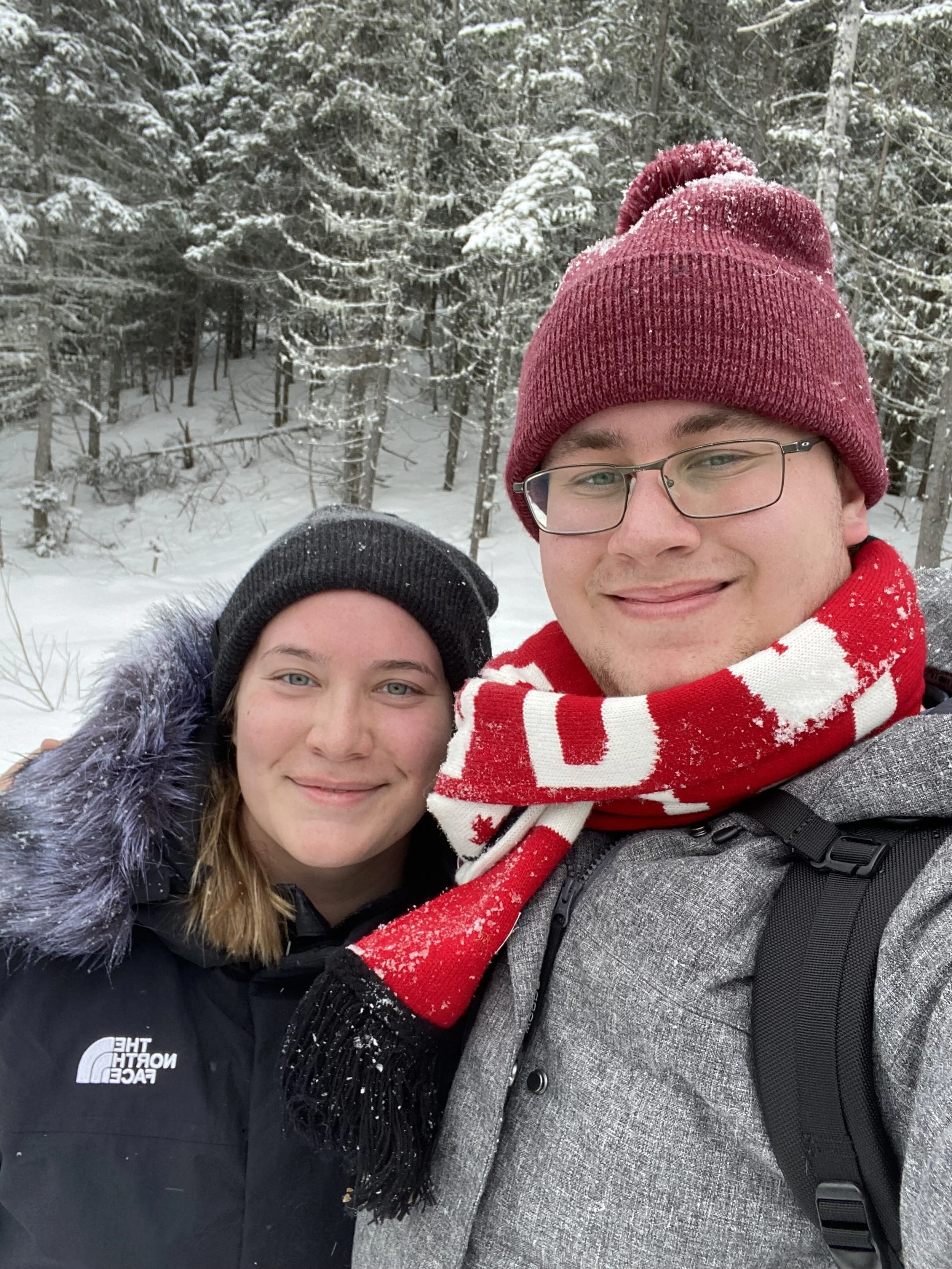
I acknowledge with deep respect that I live, learn and grow on the unceded and unsurrendered territory of the Algonquin Anishnaabe people. This land, which includes what we now call Ottawa, has been a site of meeting and exchange among indigenous peoples for millennia.
My connection to this land has been shaped through countless personal experiences that have taught me both about its beauty and my responsibility towards it. As a Scout, I learned winter survival skills, building igloos and camping in temperatures well below freezing. These experiences gave me a profound appreciation for how indigenous peoples have thrived on these lands throughout harsh winters for generations.
My time sailing on the waters near Haliburton showed me the importance of waterways and of using the wind for communication, trade, and sustenance. The forests behind my childhood home, where I built tree houses and explored endless trails, were only possible due to the First Nations peoples who understood the delicate balance of forest ecosystems long before modern conservation practices. These lands are not just a backdrop for our activities but living systems with a deep historical and cultural significance.
Practicum Artifacts:
-
In my practicum placement, we performed a frog dissection with the SNC 2D class!
The students were expected to complete a labelling diagram afterwards and write about how this related to our systems unit!
This was a well-done experiment; the students were highly engaged and followed the instructions well due to the prelab activity!
-
-
-
Eliot is a nonbinary trans person, skilled facilitator, and expert in queer and trans inclusion.
Through the PODS program we were given an extremely informative presentation surrounding queer and trans inclusion, even going into the differences between nationally and internationally for supports for trans and queer individuals. This presentation was eye opening and provided me with a new outlook on the current issues faced by the queer and trans community.
-
Benedicte Carriere, an MSW and RSW out of CHEO, came to provide us with some important information on trauma-informed teaching.
We looked into three separate categories:
Systems of Meaning:
Attempt to understand students’ deeply held beliefs.
Know that you are an emotional mirror as much as the student is.
Collect good intentions: I know you are a good kid with a big heart. you didn’t mean to ___. Your frustration got too big and you ____ without thinking. How can we work to move forward from here?
Need Fulfillment:
Stages of Attachment:
Senses
Sameness
Royalty
Significance
Love
Being Known
There is no harm in meeting kids on a lower level, warm greetings are critical for growth.
Safety Seeking:
The goal is not to remove triggers, but to add additional cues of safety.
Say “I can see that you need some space right now, take 5 minutes to reset!”
My Big Takeaway:
People are who they had to be in the context of trauma, not who they are.
-
Excellent learning opportunity through PODS surrounding the effects of FASD and how to properly support students.
One big point which amazed me is that a confirmation of prenatal alcohol exposure is required for the diagnosis. As such the child parent is required to provide testimony to the fact that they drank alcohol for a child to get the supports.
Students affected with FASD require an “external brain” with the program being directly changed to fit the student as they will be dependent upon the support network that they have.
One quote great quote that contextualizes the difficulty that students with FASD have when completing assignments is “running a marathon as a person in a wheelchair”. As they are missing the hardware in order to be organized and require that “external brain” (you) to keep them on track!
5 Total Participation Techniques:
Here are five effective strategies for ensuring active participation from all students:
Chalk Board Splash: A collaborative approach where students write their ideas on a chalkboard, followed by group categorization and discussion of concepts. This technique ensures everyone contributes while developing critical thinking skills.
Hold-Ups: Students use pre-made response cards (true, not true, not sure/missing info, true but needs modifications) to participate in various activities throughout the year. This versatile technique allows for quick assessment of understanding.
Lines and Blobs (Movement): Students physically arrange themselves in response to open-ended questions, creating lines or groups. This kinesthetic approach encourages movement while promoting discussion about their positioning choices.
Guided Note-Taking: Students take structured notes using specific markers:
Pause: Ideas requiring further reflection
Star: Most important concepts
Rank: Categorization of information
5. Wrap-Ups: 1,2,3, O'Clock Students pre-arrange partner assignments using a clock-based system, allowing for quick and comfortable pair work during wrap-up activities. Partners are selected based on mutual comfort and compatibility.
Population Education Resources/Activities
The Population Education website provides specialized teaching resources focused on human population dynamics and their environmental impacts. Key features include:
Interactive lesson plans addressing population growth, demographic trends, and environmental sustainability
Teaching materials designed for various grade levels (K-12) that integrate population studies with core subjects
Resources for understanding global population challenges and their effects on natural resources
Activities that help students analyze demographic data and population patterns
The Total Participation Techniques (TPT) section specifically focuses on:
Engaging students in discussions about population-related issues
Facilitating group activities that explore demographic concepts
Creating inclusive learning environments for sensitive population topics
Promoting critical thinking about population dynamics and environmental sustainability
Professional Learning
PED 4125 Accommodations Assignment
Things to consider:
Who are my learners?
What exceptionalities do they have?
Are my accommodations going to focus on certain learners or are they general in nature (ie. they are Universal Design features)
Remember - you can’t make specific accommodations for all learners all the time, we do not provide individualized instruction
Think about how you can accommodate for the largest number of learners
Are there strategies that can help many students with different exceptionalities? (This is the objective of Universal Design for Learning)
PED 3119 Final Project:
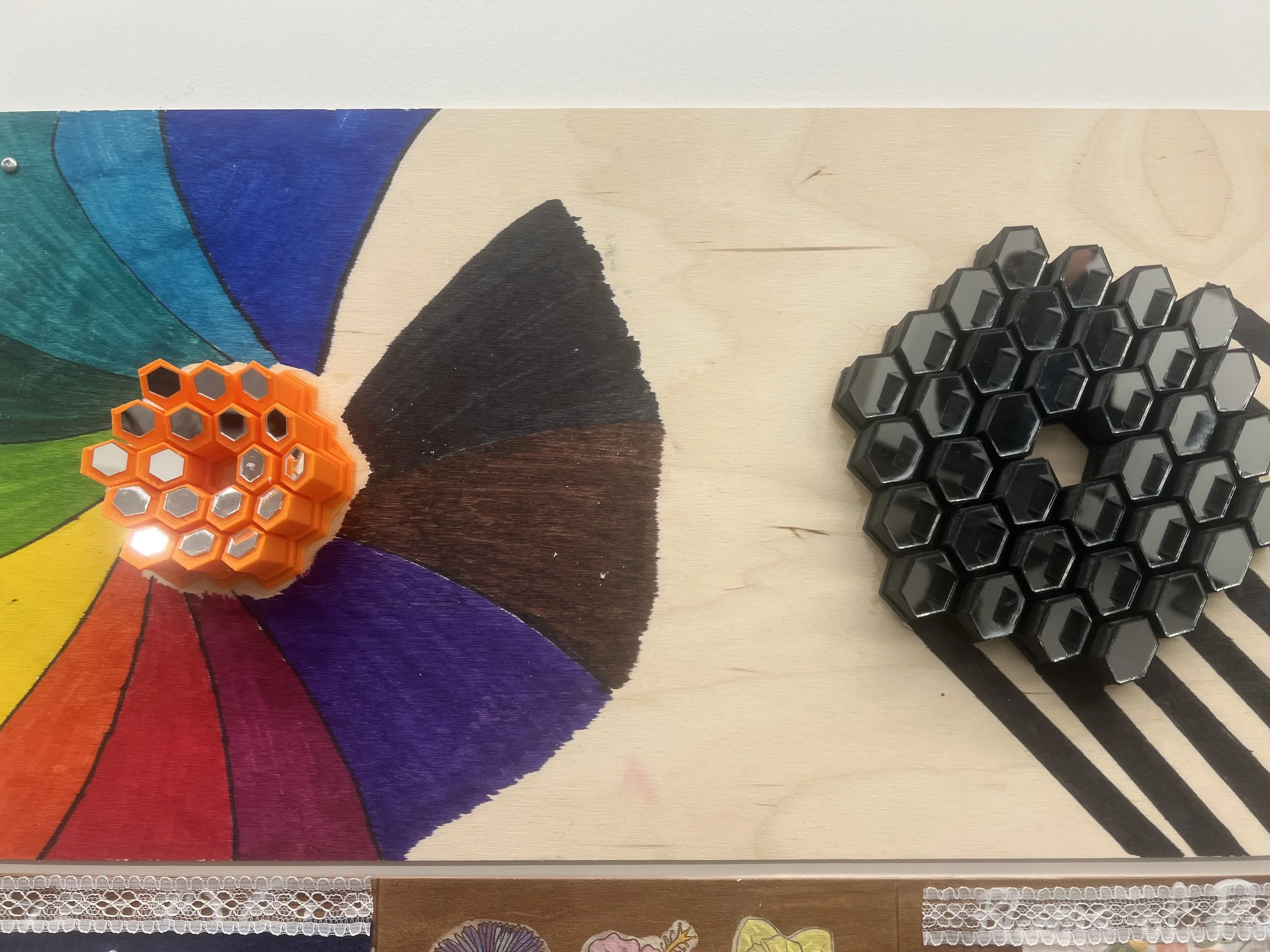
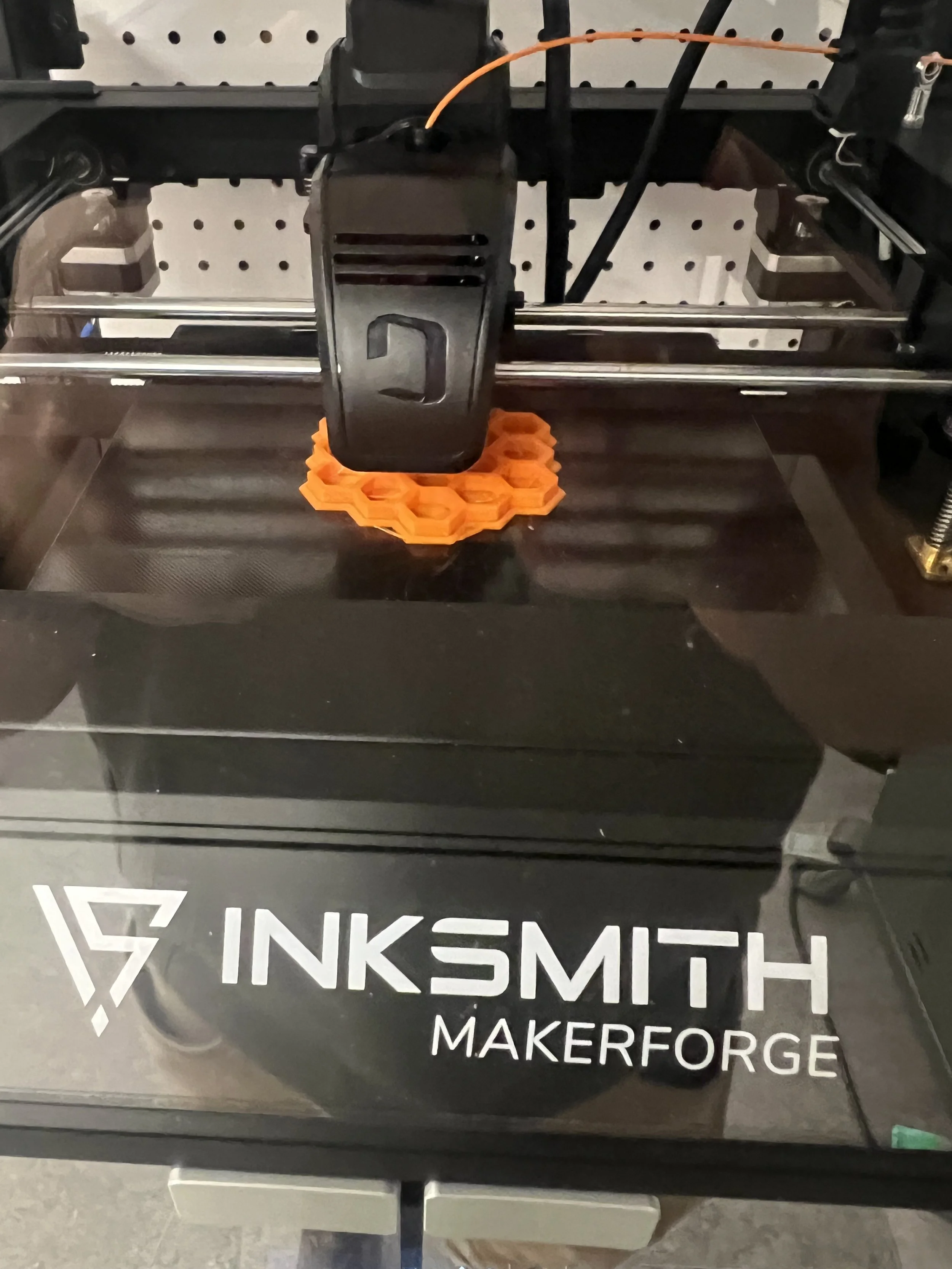
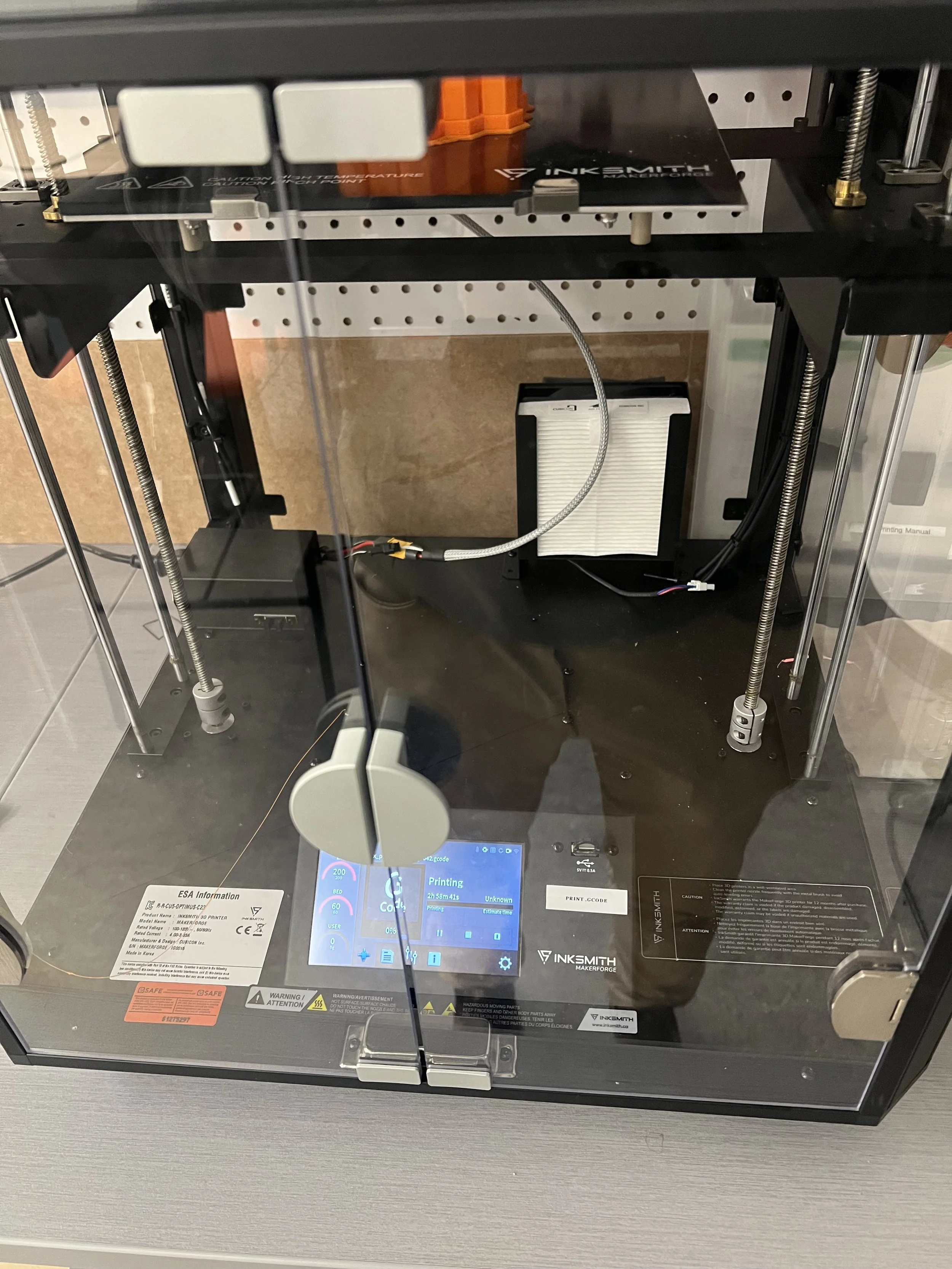
For this Critical Digital Maker Literacy project, I explored the relationship between artificial intelligence and bias through a physical artifact: two hexagonal mirror arrays that manipulate reflections based on viewer position and orientation. Using Python programming and fundamental physics principles of reflection, I created mirrors that produce different images depending on the distance and angle from which they are viewed—much like how AI-generated text varies based on the prompts and data it receives.
This project deepened my understanding of Critical Digital Maker Literacies as a pedagogical approach that bridges technical skills with conceptual exploration. By physically creating the concept of misinformation and input-dependency in AI systems, I engaged in critical making—creating to think through ideas rather than simply producing an end product. The hands-on integration of coding and physics demonstrates how maker practices can support student thriving by providing multiple entry points for engagement, encouraging creative problem-solving, and making abstract concepts tangible. Students at the Grade 9-10 level could replicate similar projects, gaining confidence in both STEM skills and critical thinking about technology's role in society while experiencing the satisfaction of creating meaningful physical artifacts.
PED 3138 First Nations, Inuit and Metis Education
Develop culturally responsive teaching practices by incorporating First Nation, Inuit and Métis perspectives into diverse subject areas.
Foster cross-curricular connections to enhance student engagement and understanding.
Strengthen collaboration skills through peer feedback and knowledge-sharing during the symposium.
The combined goals of creating a lesson plan which exemplifies the roots of science in first nations practices as well as illuminating the newest methods of extracting chemicals from living plants was a challenge.
This Willow Bark Lesson Plan combines the importance of First Nations respect and procedures dealing with nature. As well as their long-standing history with the extraction of aspirin used today!
PED 3150 Becoming a Teacher in Practice:
5 Belief Statements
Professional Conceptual Framework
Professional Learning Chart
Inquiry Presentation- Growth and Goals
Soccer Practice Volunteer:
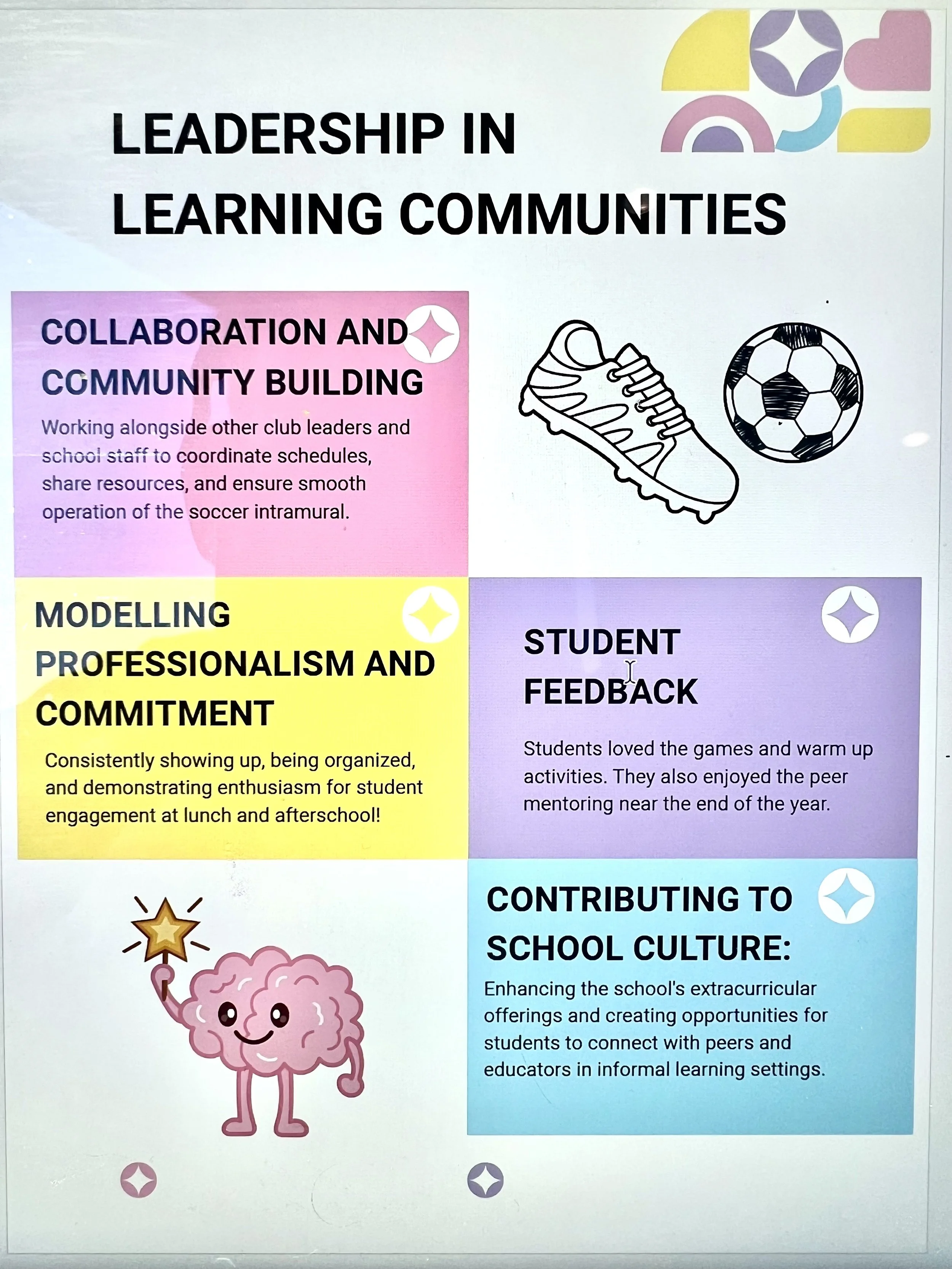
As a volunteer in my community I participated in a volunteer initiative giving the opportunity to students from grade 1-6 to get some energy release at lunch time!
We went through multiple games, drills and other endurance based tasks to give the students extra practice at their favourite sport! I would often play with the students to give them additional practice against adults.
The students enjoyed the activity and asked me to come back anytime to continue any other sports I know.
Generally this gave me great experience running a busy gym with over 40 students. It also gave me additional experience in diversified teaching as many students had many neurodivergence’s including autism and ADHD.
PED 3132 Podcast Creation
Students will design a science communication activity aimed at engaging intermediate-level students. They will also write a detailed reflection on their process, pedagogical choices and anticipated student learning outcomes.
Storytelling podcast surrounding Alexander Fleming and his discovery of penicillin. This is accompanied by a student document with questions at various difficulty levels.
How Will I Reach For the Standards Of Practice:
1. Inspire a Shared Vision
Co-Constructing Success: Collaborating with students to define excellence and rubric criteria.
Lead Learner Mentality: Modelling curiosity and lifelong learning by tackling "Wicked Problems" alongside students.
2. Identity Values, Knowledge, & Skills
Active Pedagogy: Utilizing Total Participation Techniques (TPT) to ensure every student is cognitively engaged.
Expert Facilitation: Applying deep subject expertise to bridge complex curriculum with real-world, student-led inquiry.
3. Guide Professional Judgment
Evidence-Based Pivots: Using classroom data and student feedback to adjust instruction in real-time.
Ethical Decision-Making: Prioritizing student well-being and equity in every curricular and management choice.
4. Promote a Common Language
Professional Dialogue: Using research-backed terminology to communicate the "why" behind active learning to parents and peers.
Metacognition: Explicitly teaching students the purpose of collaborative strategies to foster a shared understanding of the learning process.
PED 3141 Planning Implementation and Assessment Part 1:
How can I facilitate meaningful learning experiences that meet provincial and board expectations, address the unique needs and backgrounds of students, and express who I am as an educator?
This semester-long project required the creation of essential questions, aligning lessons with curriculum expectations, creation of resources, utilization of a class profile, as well as creation of final projects for a grade 11 chemistry course.
PED 4194 Teaching Biology at the Senior Division:
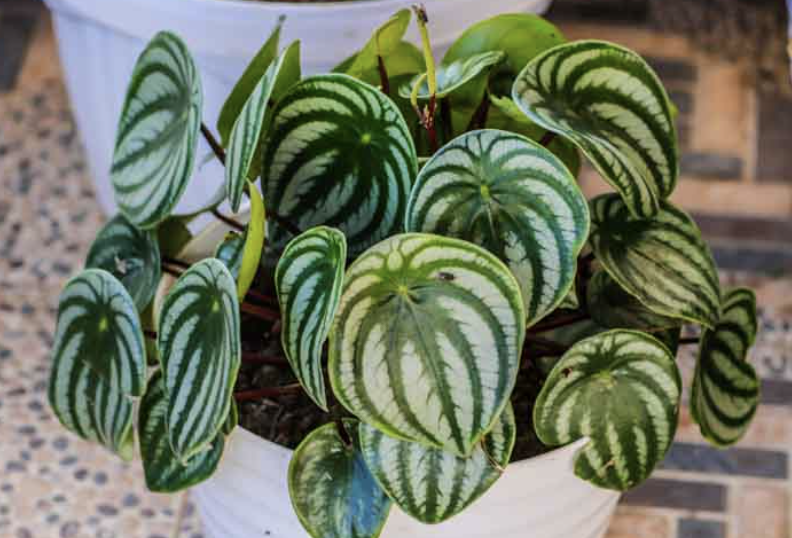
Stomata Lab Procedure:
Obtain one Leaf
Paint a Streak (at least one square centimeter of clear nail polish on the underside of the leaf surface being studied.
Allo the nail polish to dry completely. About 2-5 minutes
Tape a piece of clear cellophane tape to the dried nail polish patch.
Gently peel the nail polish patch from the leaf by pulling on a corner of the tape and “peel” the fingernail polish off the leaf. This is the leaf impression you will examine.
Tape your peeled impression to a very clean microscope slide.
Examine the leaf impression under a light microscope.
Search for areas where there are numerous stomata, and where there are no dirt, thumb prints, damaged areas, or large leaf veins. On your lab paper draw the leaf surface with stomata and label if the stomata is open or closed. Answer the Lab Questions provided.
Make sure to also include the magnification when you draw your picture!
PED 4141 Curriculum and Planning 2
This class pushed me to create lesson plans and, furthermore, a unit plan that could be provided to any class and used effectively with minimal adjustments. Using UDL principles and interpreting the curriculum expectations, we were expected to create several assessments for SCH3U. These assessments were required to be cross-curricular and provide students with multiple entry points. The main thing I would like to work on for the next plan is incorporating WICKED Science Problems.
PED 3131 Excursion
The Value of Outdoor Learning
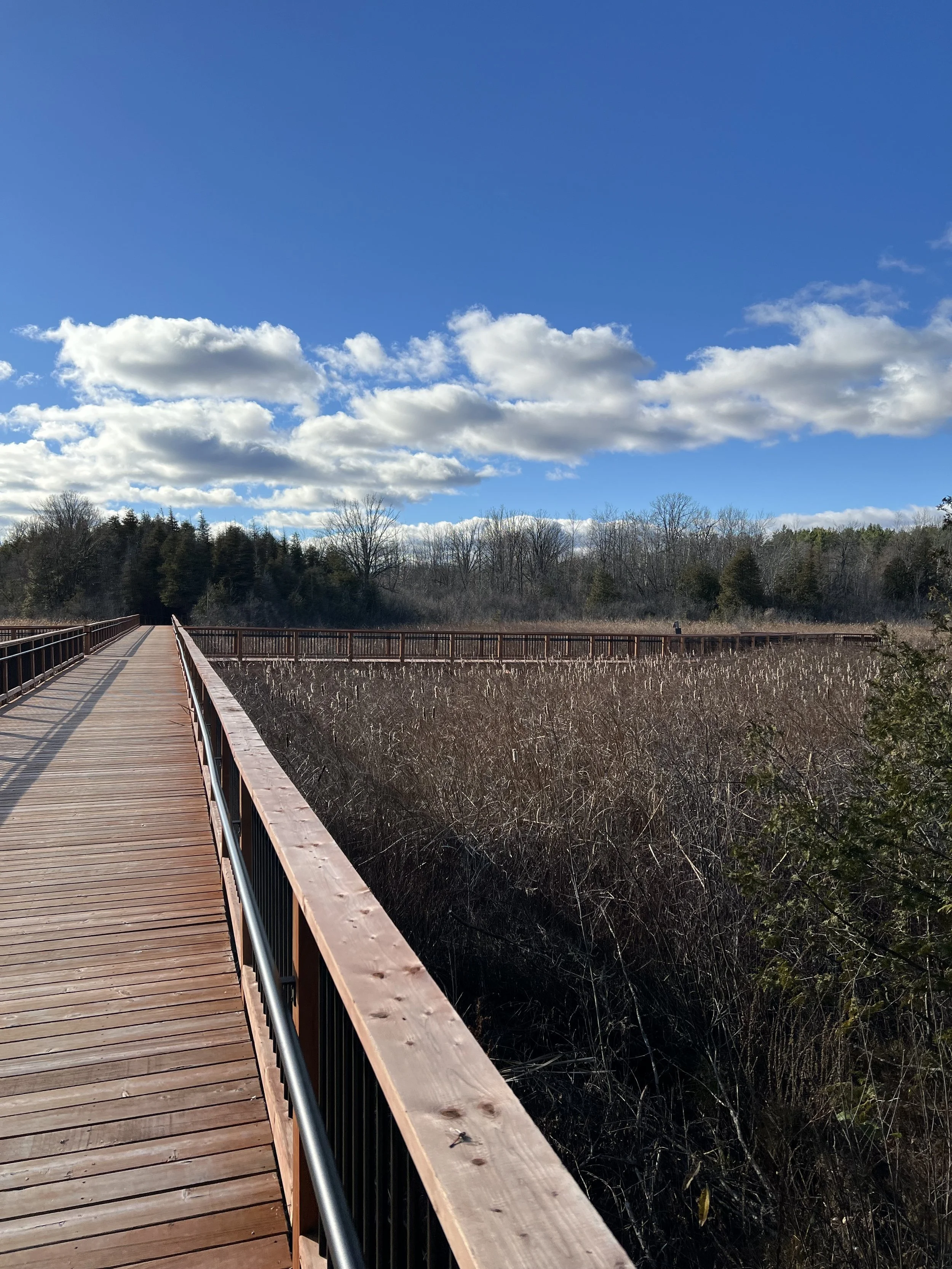
Outdoor learning provides unique educational opportunities that complement traditional classroom instruction. This approach to education offers numerous benefits for students across all subjects and grade levels.
Benefits of Outdoor Education
Enhanced engagement and motivation through hands-on experiences
Improved physical and mental well-being from exposure to natural environments
Development of environmental awareness and ecological understanding
Strengthened social skills through collaborative outdoor activities
Better retention of scientific concepts through real-world applications
Implementing Outdoor Learning
Successful outdoor education programs incorporate:
Structured activities that align with curriculum objectives
Safe and accessible outdoor spaces for various learning activities
Regular opportunities for nature observation and environmental studies
Integration of outdoor experiences with classroom lessons
Services

Tutoring Session
Variable price is dependent on the level of material required.
Welcome to our comprehensive tutoring program. I provide expert guidance in Mathematics, Chemistry, Physics, and Biology to students from grade 6 through university level.
Benefits of Tutoring Services
One-on-one attention from experienced tutors
Flexible scheduling options
Online and in-person sessions are available
Comprehensive study materials and resources
Regular feedback and progress reports

Independent report review
20$/500 words
Offering professional review services for academic papers, research reports, and scientific manuscripts. Our expert reviewers provide:
Detailed analysis of methodology and research design
Verification of data interpretation and statistical accuracy
Assessment of literature review comprehensiveness
Evaluation of conclusions and recommendations
Suggestions for improving clarity and academic rigor
Our independent review service helps ensure that your academic work meets the highest quality and scientific integrity standards. Subject-matter experts in your field thoroughly examine each report.
Subject Matter
Mathematics Tutoring
Our mathematics sessions can cover everything from pre-algebra to advanced calculus. We help students master:
Pre-algebra and Algebra (Grade 6-9)
Geometry and Trigonometry
Pre-calculus and Calculus
University-level courses, including Linear Algebra and Differential Equations
Chemistry Tutoring
From basic chemistry concepts to advanced organic chemistry, I can guide students through:
Basic atomic structure and chemical bonding
Chemical reactions and equations
Acids, bases, and pH
Organic and Inorganic Chemistry
University-level topics, including Physical Chemistry and Biochemistry

Post-Secondary Guidance
Free
We can chat anytime over zoom for any questions surrounding applications, next steps, etc.
Physics Tutoring
Our physics program helps students understand theoretical concepts and solve complex problems in:
Basic mechanics and motion
Energy and thermodynamics
Electricity and magnetism
Waves and optics
University-level topics, including Quantum Mechanics and Relativity
Biology Tutoring
From cellular biology to ecosystems, we cover:
Cell structure and function
Genetics and inheritance
Human anatomy and physiology
Ecology and environmental science
University-level topics, including Molecular Biology and Biotechnology